




















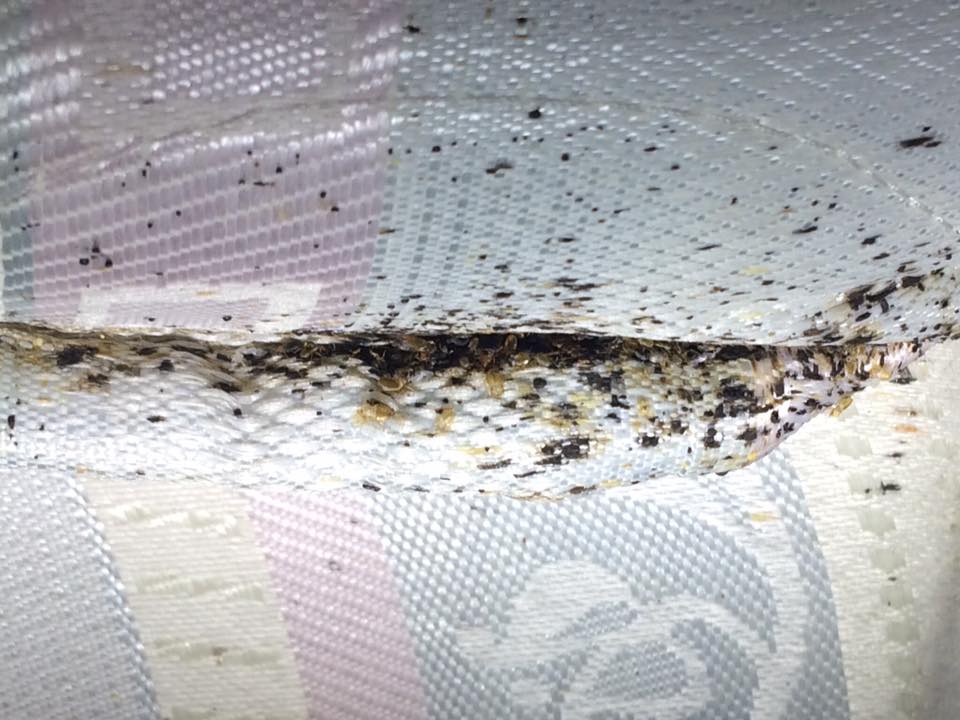
The Challenge: A Persistent Widespread Bed Bug Infestation in a Housing Association Block in South East Essex
A large housing association scheme in South East Essex, consisting of over 30 flats within a single block, contacted us for professional advice regarding an ongoing bed bug infestation that had proven extremely difficult to resolve.
The client had been using their own contracted pest control provider for approximately 18 months. Despite multiple chemical treatments across several properties, the infestation was not only unresolved but had continued to spread into additional flats.
At this point, the housing association required a fresh, strategic approach to understand the true scale of the problem and, most importantly, bring it to a permanent resolution.
Our Initial Assessment: Think Bigger Than Reported Cases
One of the most common reasons bed bug infestations persist in multi-occupancy buildings is undetected low-level activity. Flats that haven’t reported issues can still harbour bed bugs, allowing them to move freely between properties through wall voids, pipework, and communal areas.
Our first recommendation was clear:
Deploy a Professional Bed Bug Detection Dog
Bed bug detector dogs are trained to identify even low-level or dormant infestations that may not yet be visible to residents. This approach immediately changes the accuracy of any treatment plan.
The results were significant.
The inspection confirmed that the infestation had spread to far more flats than originally reported, validating concerns that previous treatments were only addressing symptoms rather than the full scope of the issue.
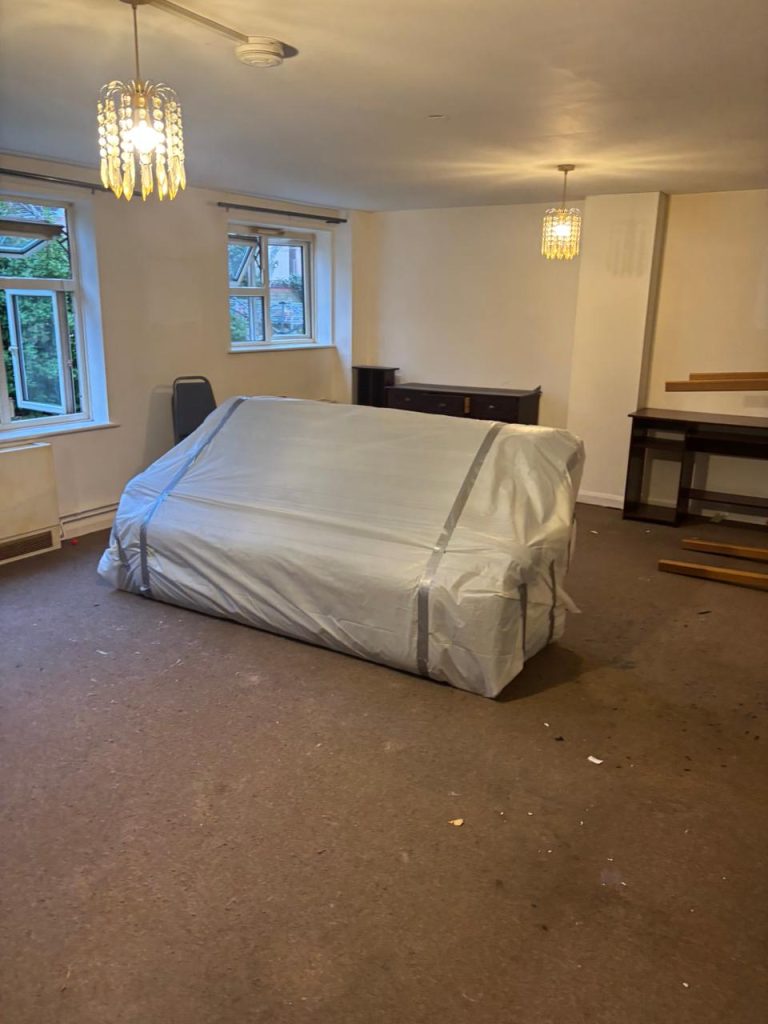
The Solution: A Targeted, Multi-Method Treatment Plan
Once the full extent of the infestation was understood, we implemented a structured, staged eradication programme, specifically designed for housing association environments.
Heat and Chemical Treatment Combined
Previous chemical-only treatments had delivered little success. Bed bugs are notoriously resistant when treatments are not thorough or correctly applied.
Our approach combined:
Professional heat treatments to rapidly eliminate all life stages of bed bugs
Residual chemical applications to prevent reinfestation
Repeat visits and follow-up inspections to confirm eradication
Identifying the Source
Through investigation, the source of the infestation was identified. Unfortunately, in some properties, infestation levels were so severe that personal items and furniture were heavily contaminated.
While never an easy decision, the safest and most effective solution was the controlled disposal of affected items, preventing reintroduction of bed bugs after treatment.
The Human Side: Supporting Residents Through the Process
Bed bug infestations in housing association schemes are rarely straightforward. Many residents are:
- Elderly
- Living with health conditions
- Highly distressed by disruption to their daily routines
We worked closely with the housing association to ensure:
- Clear, calm communication at every stage
- Sensitivity around the disposal of sentimental possessions
- Consideration of temporary alternative accommodation where required
Eradicating the pest is only part of the solution. Reassurance, empathy, and trust are just as critical. Residents need to feel supported, not blamed.
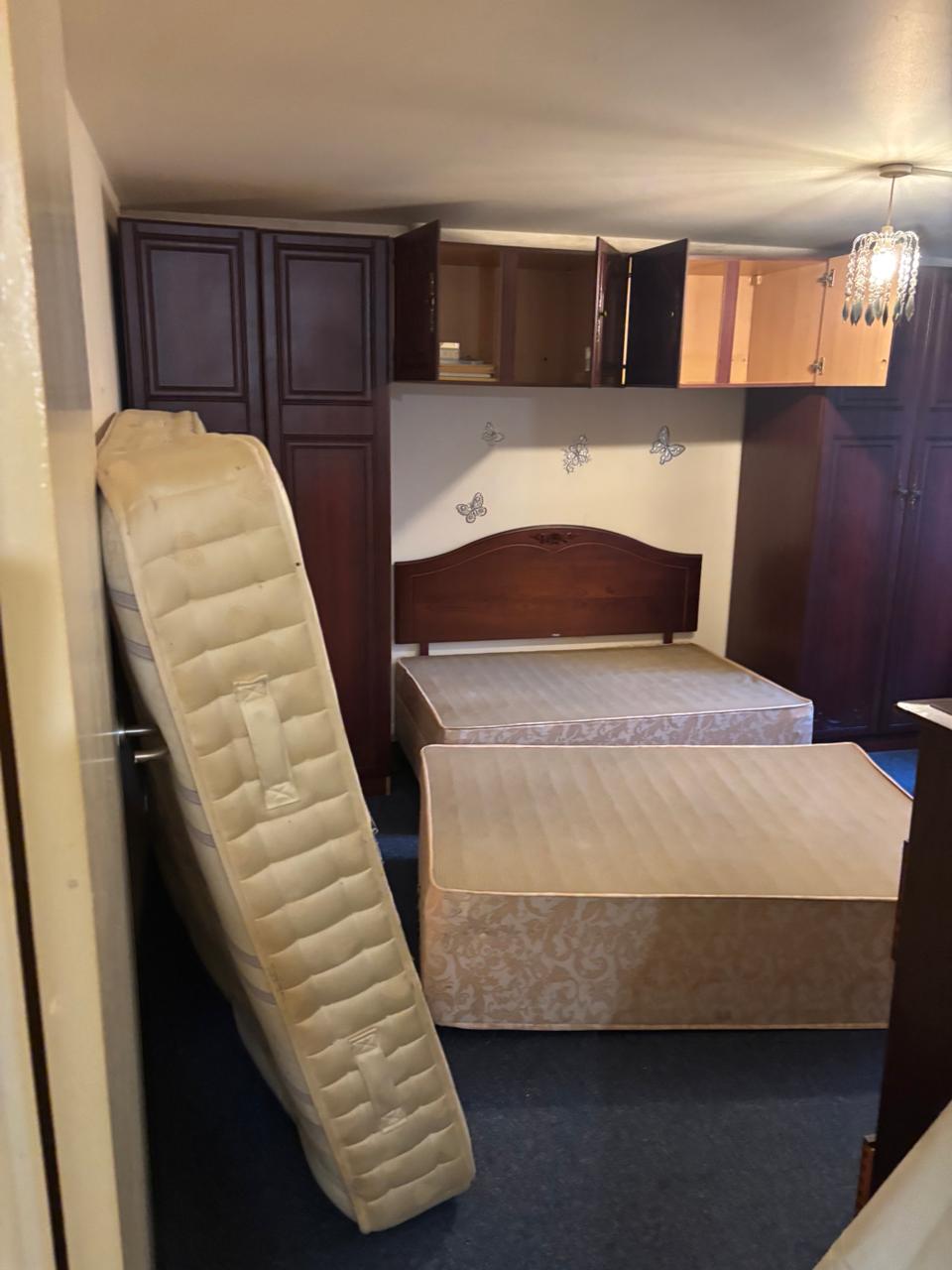
The Outcome: A Bed Bug–Free Block
Following several structured treatments and ongoing monitoring, all affected properties were successfully declared free from bed bugs.
The infestation was fully eradicated, and a long-term monitoring plan was put in place to ensure early detection should any future activity arise.
Why Early Detection Is Critical
One of the biggest lessons from this case is the importance of early intervention. The longer bed bugs go undetected, the more complex — and disruptive — the solution becomes.
Book Professional Pest Control
Whether you have ants, bed bugs, moths, fleas, wasps, cockroaches, rats, mice, or squirrels, we can help. Our team can carry out wasp nest removal and bird control, including pigeon proofing for solar panels, to reduce the risk of property damage and other issues.
Our team always aim to offer a professional service to all our domestic pest control clients and landlords throughout Essex. In many cases, we can offer a same-day service, so call 07505 506 790 to book a visit.

Bed Bug Education: What Residents and Housing Providers Should Know
What Is a Bed Bug?
Bed bugs are small, blood-feeding insects that typically hide in beds, furniture, cracks, and crevices. They are not linked to cleanliness and can affect any property.
How Do You Get Bed Bugs?
Bed bugs often spread through contact with infested items, such as when you go to hotels or use public transport, but they can also be bought in on second-hand furniture, or visitors or neighbouring properties in flats.
What Do Bed Bugs Look Like?
Bed bugs are flat, oval-shaped insects. They are reddish-brown in colour. Adult bed bugs are bout the size of an apple seed.
Why Are Bed Bugs So Hard to Get Rid Of?
Bed bugs are difficult to eliminate because they hide very effectively in small cracks and furniture, making them hard to find. Their eggs resist many treatments, so infestations can return, and they can lie dormant for months without feeding. In flats, they also spread easily between neighbouring properties, which makes getting rid of them even harder.
Signs of a Bed Bug Infestation
Signs of a bed bug infestation include bites that often appear in lines or clusters, small black spots from their droppings on bedding, and shed skins or live insects. In severe cases, a sweet, musty odour may also be noticeable.
Choosing the Right Expertise Matters
This case highlights the importance of selecting specialist bed bug control professionals, particularly for housing association blocks and multi-occupancy buildings. Without proper detection, planning, and empathy, infestations can escalate rapidly.
If you suspect a bed bug issue, or want advice before it spreads, early action is the key to success. Get in touch today to book professional pest control services across Southend, Chelmsford and throughout Essex.